
Mobile ID and Stablecoins in 2027: What Businesses Should Know

Updated: 3 days ago
Mobile identity, digital driver’s licenses, and stablecoin payments are moving from pilot projects into mainstream use, creating new opportunities for banks, credit unions, real estate firms, and everyday consumers. At the same time, these tools raise important questions about identity verification, transaction records, compliance, and consumer protection.

Businesses are exploring new ways to move money, verify customers, and manage financial records more efficiently through mobile wallets, digital identity verification, and stablecoin payments. With new regulations on the horizon in 2027, organizations in banking, credit unions, community development finance, and real estate should start preparing for the opportunities and obligations that this changing financial landscape will bring.
Two major dates are approaching. The first is January 1, 2027, when Maryland’s Stablecoin Act comes into effect. The second is January 18, 2027, when the implementation framework for the federal GENIUS Act goes live. These developments do not, by themselves, require a nationwide rollout of mobile identification, but they do signal the growing importance of regulated digital payments and the systems that support them.
What Is Mobile ID and Where It Comes From
Mobile ID is a digital version of a government-issued identity credential stored on a smartphone or in a mobile wallet. In practice, it works much like a digital driver’s license or state ID that can be used to verify identity without handing over a physical card.
Its origin is tied to the growth of secure mobile wallets and digital credential standards adopted by states and technology providers. Maryland, for example, has launched Mobile ID support in Apple Wallet for eligible residents using compatible devices. This allows users to add a digital version of their driver’s license or state ID and present it in approved situations.
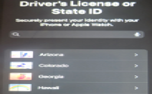
If you get a digital driver’s license, where can you use it? That depends on where it is accepted. In general, Mobile ID may be used at participating airport checkpoints, select retailers, and other locations that have enabled digital ID verification. It is not a universal replacement for a physical license, so users should still keep their physical ID available when needed.
What Stablecoin Is and Why It Matters
Stablecoin is a digital currency designed to maintain a stable value, pegged 1:1 to the U.S. dollar. Unlike more volatile cryptocurrencies, stablecoins are intended to behave more like digital money.

The Maryland Stablecoin Act is important because it creates a legal framework for how stablecoins may be used and regulated within the state. January 18, 2027 is significant because that is when the Federal Government’s GENIUS Act implementation framework takes effect, establishing rules and structure for regulated stablecoin activity at the national level.
This formally establishes Stablecoin as an official digital currency of the United States. it is designed to clarify how stablecoins are issued, monitored, and governed so that digital payments can operate within a more defined regulatory environment.
For everyday consumers, the main benefit of using a stablecoin pegged to the U.S. dollar is convenience. A dollar-backed stablecoin can support faster transfers, improved payment visibility, and potentially lower-friction transactions, including outside traditional banking hours. It may also help simplify certain digital payments and transfers.
Why Records Management Still Matters
As financial transactions become more digital, strong recordkeeping becomes even more important. A payment confirmation alone is not enough to satisfy an auditor, resolve a dispute, or prove regulatory compliance. Organizations need records that connect identity verification, authorization, payment instructions, settlement, and accounting entries.
That is especially important in banking, credit unions, CDFIs, and real estate transactions, where multiple parties may be involved and large sums of money may move quickly. Blockchain records may show that a digital transfer occurred, but they do not independently prove the identity of the participants or the accuracy of internal records. Supporting documentation, in trusted, authenticated digital form, remains essential.
The Importance of Accurate Transaction Records and Audit Trails
As financial transactions become more digital, recordkeeping will be reliable to business operations. A payment confirmation alone may not be enough to satisfy an auditor, settle a dispute or provide proof of regulatory compliance. Organizations need accurate and traceable transaction logs that connect identity verification, payment instructions, authorization, transfers, confirmation of settlement and accounting records. Such records should be protected against unauthorized changes and available to authorized reviewers as needed. For example, a bank investigating a disputed payment should be able to recreate a transaction from end to end. Similarly, a real estate company, should also be able to trace a payment back to the right parties, contract documents, approvals and closing records.
Blockchain transaction records can be useful evidence of a transfer of a digital asset. However, they do not provide independent confirmation of the identity of the participants, the legitimacy of the transaction, or the accuracy of internal financial records. Businesses therefore need to retain the appropriate supporting documentation and reconcile external transaction data to their accounting and compliance systems.
Closing Thoughts
It is not hard to forecast the possibility of one’s Mobile Identity Credentials mapped to their Stablecoin/Banked Dollar account. The rate of change by which digital identity credentials are being used will likely impact several aspects of the economy, ranging from hotels, hospitals, real estate and judicial proceedings.
Other states including Georgia, Illinois and others, have passed or advanced legislation to create their own “state-level” Stablecoin framework, to align with the federal government’s GENIUS ACT, which takes effect January 18th, 2027.
The future of digital transactions requires more than new technology—it requires trust and secured data, supported by reliable records, clear governance, strong controls, reliable audit trails and accountable business processes.
As your organization considers Mobile ID, Mobile Wallets, and Stablecoin Payments, now is the time to evaluate whether your recordkeeping practices can support the transition. Records Management Professional LLC helps organizations assess readiness, identify documentation and retention gaps, and develop practical records management strategies that support compliance, audit preparedness, and operational efficiency.
Connect with our team to discuss advisory support, records governance and technology planning, or educational seminars and interactive workshops addressing digital identity, emerging payment technologies, and their records management implications. Together, we can help translate emerging technology questions into a practical path forward.


Comments